Don’t think about chocolate cake
Try not to think about chocolate cake for the next ten seconds. I’ll wait. What happens next says a lot about how your attention really works.


Try not to think about chocolate cake for the next ten seconds. I’ll wait. What happens next says a lot about how your attention really works.

Why do unwritten workplace rules feel so absolute? Is there a hidden bias behind “correct” behavior? If so, how can we build systems that fit real people?

When a client says they want it “fast,” they rarely mean what you think — and that gap is costing more than time.

Speed feels productive right up until it isn’t. Before your next hire, tool, or launch, try this two-part challenge for knowing if you’re actually ready.
Most leaders know they need better systems. Very few know the two things that actually determine if those systems will work.
“Most leaders can see when people are overworked. Far fewer can see when people are working on exactly the wrong things — and what it’s quietly costing them.”

Most leaders are treating the pain where they feel it. But what if that’s exactly why nothing seems to change?

The end of the year isn’t dead time—it’s opportunity time. Here’s my three-step process for getting a few more wins before January while everyone else has already checked out.
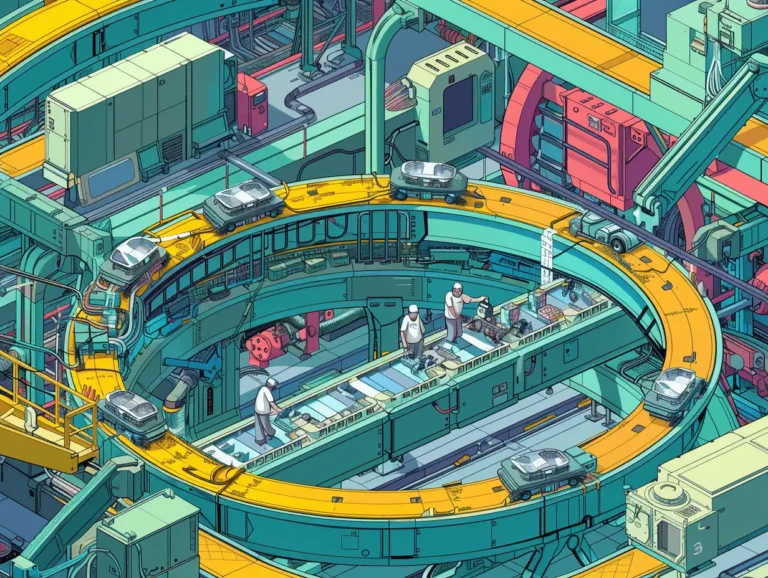
You know about Kaizen — continuous improvement. But there’s a trap most people fall into that turns this powerful concept into an endless loop of perfection that never sees the light of day.

No one is more creative than a toddler at bedtime. But we adults do the same thing when avoiding tasks. What if that resistance is actually your brain telling you to build a better system?
End of content
End of content