
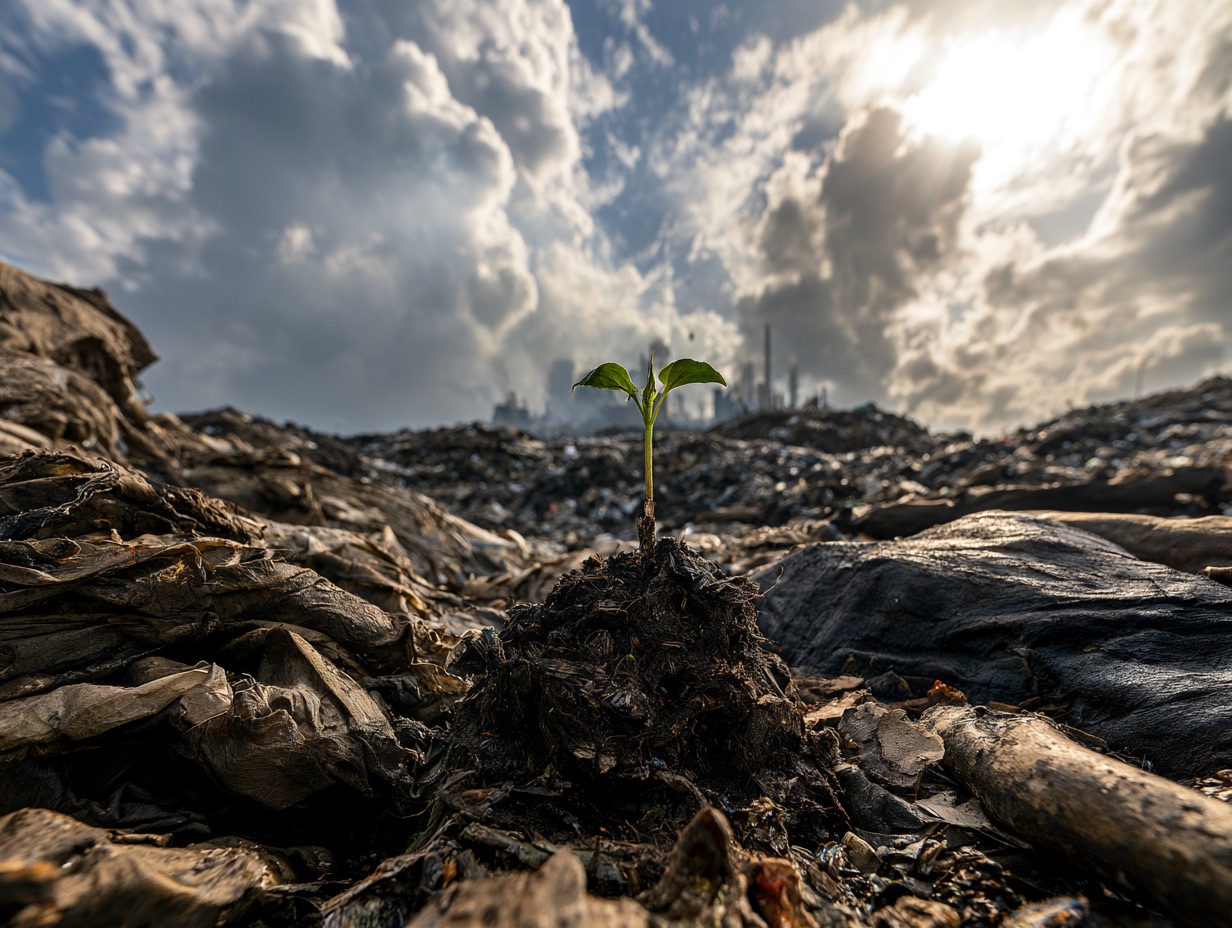
“Growth Areas”
Author’s note to my readers: You will likely notice that this post has a lot of “it’s not X, it’s Y” structured sentences. These sort of sentences are typically a dead giveaway that AI wrote it. But I need you to know that I wrote every single word of this. It’s the right format for the point I’m trying to make and I won’t let AI artificially constrain my use of language.
Managers are often given the charge of overseeing the growth of their team members.
But not all new skills or change behaviors are “growth areas.”
✉️ Get the Infinite Impact
Join thousands getting weekly wisdom on unlocking hidden potential, building meta-abilities, and creating meaningful change through practical frameworks you can use immediately.
Choice
If it’s welcomed change, in service of their goals, that’s a growth area.
If it’s assigned change, in service of your goals, that’s not a growth area, that’s an assignment.
If it’s assigned change, in service of their existing job responsibilities, that’s just the job.
All are fine, in theory, but don’t get them confused.
The Trash
A common scenario might look like this: Someone on your cleaning team has been forgetting to empty the trash cans. So, as their manager, you discuss this “growth area” in your next one-on-one meeting.
However, unless this person is passionate about emptying trash cans, that’s not growth, it’s the job.
If the “growth area” is emailing you after all the trash cans are emptied as an accountability step, then it’s a new assignment.
If this person previously told you that they want to grow out of this role by showcasing their attention to detail in order to get a promotion into management, only then can you think about calling it a “growth area.”
The Questions
When it’s an assignment or the job, ask yourself these questions:
- Why aren’t they doing it now?
- Does this fit a natural skill set?
- What would make them want to do this?
- If this is additional or something that they will struggle with, are they being adequately compensated for that time, effort, and struggle?
Helping someone grow is a gift.
But the gift isn’t for you, it’s for them.
Your gift is the opportunity to help them get there without trying to manipulate them for your own gain.
You might also be interested in…

I hope you enjoyed this post!
If you liked this post, then you will LOVE my newsletter (The Infinite Impact)
and my learning community (The Superhero Institute).
⚡️ Join for free or upgrade to get even more

✉️ Get the Infinite Impact
Join thousands getting weekly wisdom on unlocking hidden potential, building meta-abilities, and creating meaningful change through practical frameworks you can use immediately.
