To Be Taken Literally
Three ways to ask for help. Three completely different answers. Which one are you actually asking for?


Three ways to ask for help. Three completely different answers. Which one are you actually asking for?

After years of selling, something clicked — it has less to do with our offers being good than another set of patterns that influence buying behavior.

AI is changing everything –– who gets hurt first, who gets blamed, and whether we remember what it means to be human before it’s too late.

Most sales tactics feel manipulative because they are. Here’s a 5-step approach to selling with complete honesty — and why it works better anyway.
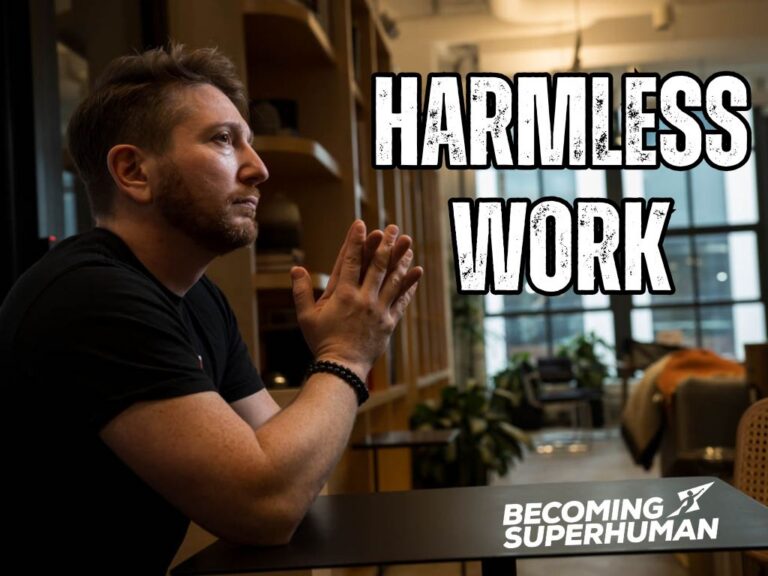
A doctor shamed someone for launching a rum brand. But is medicine truly harmless? What about teaching? What about your work?
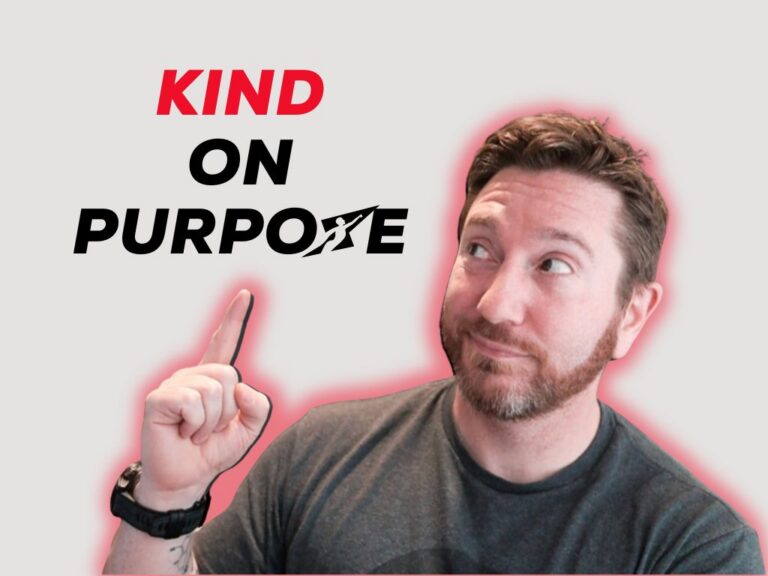
A world with headlines that leave us yearning for something rare—could this simple shift in how we respond unlock a quieter, more powerful way to live?

Most leaders know they need better systems. Very few know the two things that actually determine if those systems will work.

“Most leaders can see when people are overworked. Far fewer can see when people are working on exactly the wrong things — and what it’s quietly costing them.”

Why do some teams collaborate effortlessly while others fall apart? The answer might be hiding somewhere most leaders never think to look.

Most leaders confuse communication with Clarity. They’re not the same thing — and the gap between them is costing you more than you think.
End of content
End of content